does estrogen increase after menopause Menopause estrogen climacteric vaginal
Estrogen is a crucial hormone in a women’s life, and yet so many of us take it for granted. Estrogen is the hormone responsible for the development and regulation of the female reproductive system. It plays a significant role in the menstrual cycle, pregnancy, and menopause. However, women are prone to a variety of estrogen-related health concerns, such as premenstrual syndrome (PMS), ovarian cysts, fibroids, and decreased bone density, among others. If you are a woman who experiences painful periods, severe menstrual cramps, and mood swings, you might be suffering from PMS. PMS is a common condition that affects millions of women worldwide. It usually occurs between ovulation and menstruation and can cause a range of symptoms, such as bloating, fatigue, headaches, and irritability. Fortunately, there are several ways you can alleviate PMS symptoms, such as by improving your diet, practicing stress-management techniques, and taking supplements such as magnesium, calcium, and Vitamin B6. Another common concern for women is menopause. Menopause is a natural process that occurs when a woman’s body stops producing eggs. It usually happens between the ages of 45 and 55, and it can be accompanied by several symptoms, including hot flashes, mood swings, and vaginal dryness. During menopause, a woman’s body also produces less estrogen, which can increase her risk of developing osteoporosis. However, there are several ways to manage menopausal symptoms, such as hormone replacement therapy (HRT), a healthy diet, regular exercise, and avoiding smoking and alcohol. Estrogen therapy is often used to treat a variety of estrogen-related conditions, such as osteoporosis, vaginal dryness, and irregular menstrual cycles. However, estrogen therapy is not suitable for everyone, and it may increase your risk of developing certain health conditions such as breast cancer, stroke, and blood clots. It’s important to speak to your doctor before starting any hormonal treatment. In conclusion, estrogen is a crucial hormone for women’s well-being. However, it’s also essential to be aware of the potential risks of estrogen therapy and to take steps to alleviate estrogen-related concerns such as PMS and menopause. Remember to prioritize self-care, whether it’s through regular exercise, a healthy diet, or finding other ways to manage stress. When in doubt, consult with your doctor, who can help you make informed decisions about your health.
If you are searching about 3 ways to increase estrogen and why should do it - Online Tips you’ve visit to the right page. We have 5 Pictures about 3 ways to increase estrogen and why should do it - Online Tips like 3 ways to increase estrogen and why should do it - Online Tips, » The Dangerous Consequences Of PMS: How To Understand It And What To and also » The Dangerous Consequences Of PMS: How To Understand It And What To. Read more:
3 Ways To Increase Estrogen And Why Should Do It - Online Tips
 www.onlinetips.comestrogen
Spot Me Girl: Four Ways Women Are Way Fitter Than Men | Too Much
 www.pinterest.comestrogen hormones hormone oestrogen reproductive femuscleblog
The Balance My Hormones Blog - Balance My Hormones
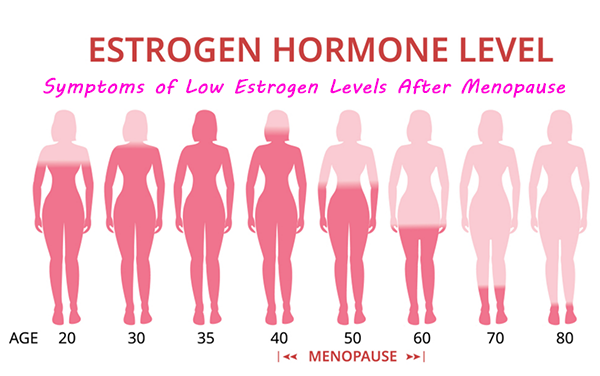 balancemyhormones.co.ukestrogen menopause levels
Estrogen-Only Therapy Lowers Blood Clots | Health Nut News
 www.healthnutnews.commenopause estrogen climacteric vaginal
» The Dangerous Consequences Of PMS: How To Understand It And What To
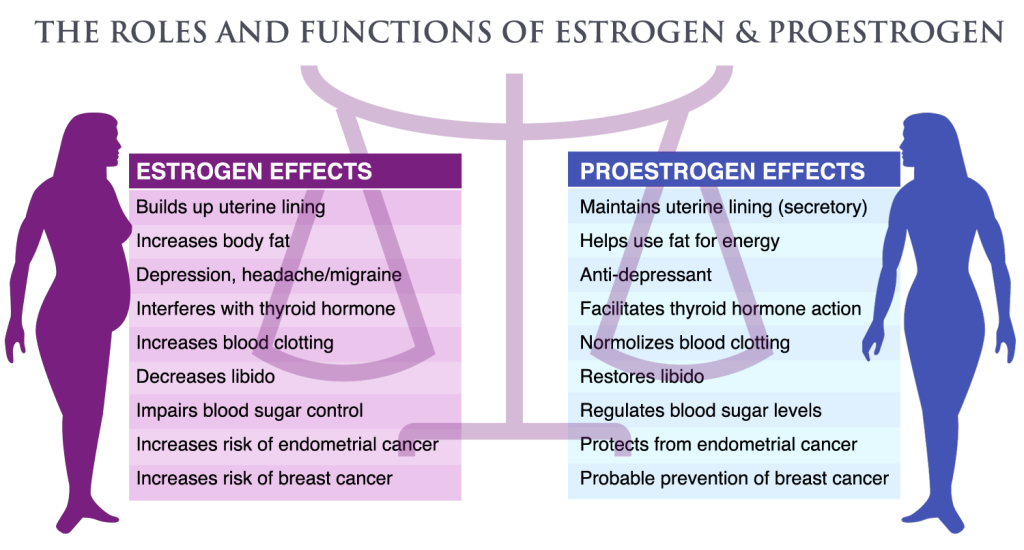 medicienterprises.comestrogen foods hormones balance progesterone levels dominance age pms high lose weight understand low metabolism drop symptoms estrogens health dangerous
Estrogen-only therapy lowers blood clots. » the dangerous consequences of pms: how to understand it and what to. The balance my hormones blog